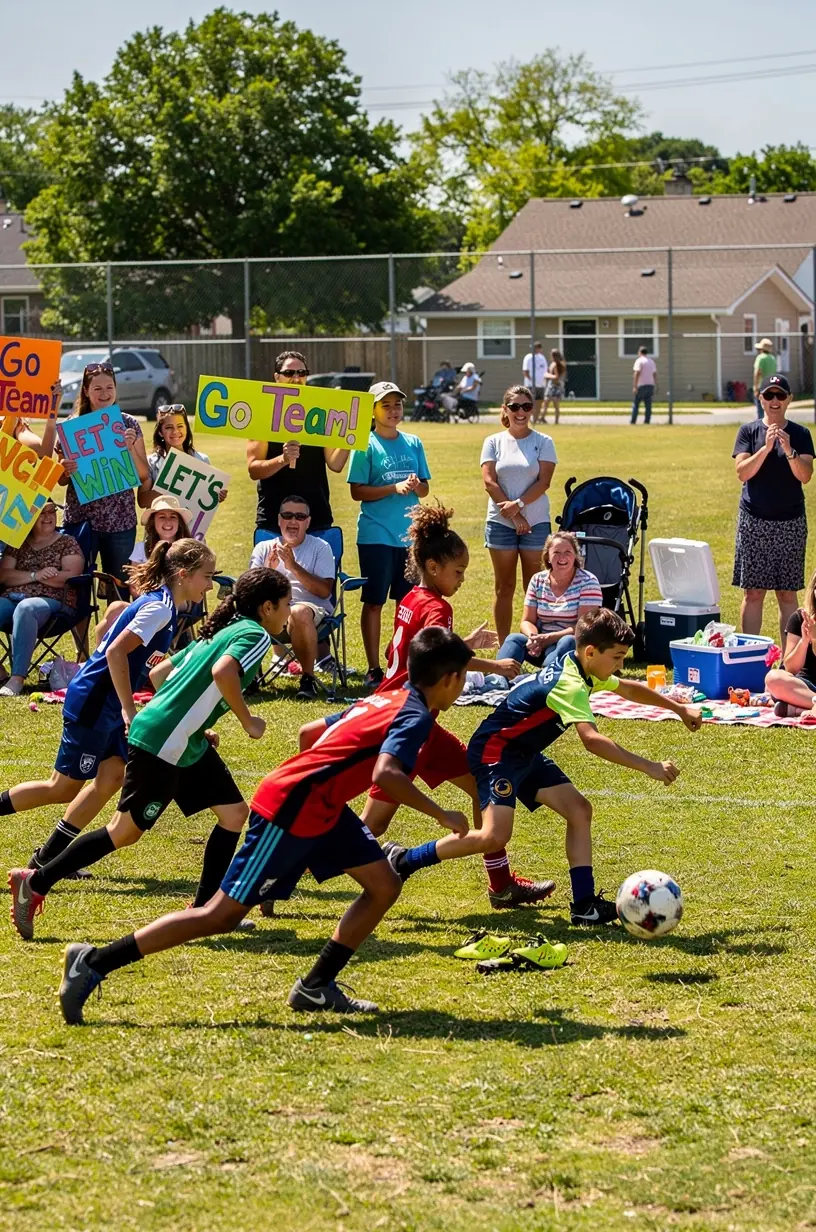
How to Foster Inclusivity in Community Events
Creating an inclusive community event is essential for fostering engagement and participation. This guide explores effective strategies to ensure that diverse groups feel welcomed and valued at gatherings, helping to build a stronger community.
Understanding the Importance of Inclusivity
Inclusivity in community events plays a critical role in promoting social cohesion. According to a report by the National Endowment for the Arts, inclusive events can increase community participation and enhance the overall sense of belonging. When events are designed to welcome everyone, they create opportunities for diverse voices to be heard and appreciated.
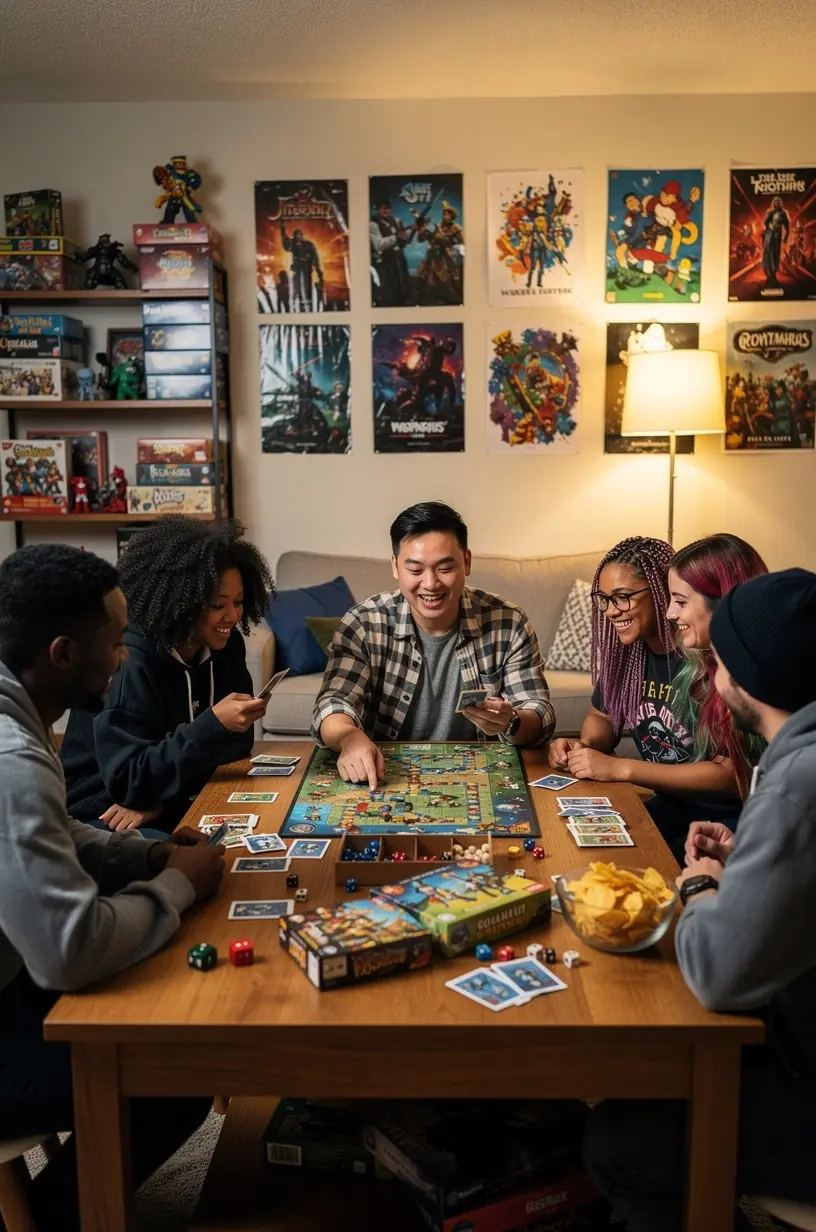
"An inclusive environment allows individuals from varied backgrounds to engage meaningfully, enhancing the richness of community life."
Practical Steps to Foster Inclusivity
- Engage Diverse Communities: Reach out to various community groups early in the planning process. Research indicates that events that involve input from different cultural, racial, and social groups can resonate more effectively. This collaborative approach typically leads to events that reflect the community's diversity.
- Accessible Venues: Choose venues that are physically accessible to people with disabilities. According to the Americans with Disabilities Act (ADA), accessibility is a legal requirement, but it is also a best practice that enhances participation. Considerations may include wheelchair access, adequate seating, and accessible restrooms.
- Language and Communication: Providing materials in multiple languages can significantly improve inclusivity. Many communities have diverse populations, and offering translations or interpretation services can make a substantial difference. Research shows that organizations that incorporate multilingual communication often see increased attendance and engagement from non-English speaking participants.
Creating a Welcoming Atmosphere
The atmosphere of an event can significantly impact participants' experiences. Effective strategies include:
- Friendly Staff and Volunteers: Training volunteers to be welcoming and approachable is crucial. Studies suggest that positive interactions with event staff can help attendees feel more comfortable and engaged.
- Inclusive Programming: Plan activities and performances that cater to different interests and abilities. Surveys typically show that offering a variety of activities encourages broader participation and helps attendees find something that resonates with them.
- Feedback Mechanism: Establish a system for gathering participant feedback. This can include pre-event surveys or post-event evaluations. According to community engagement experts, such feedback is vital in understanding the inclusivity of your event and areas for improvement.
Acknowledging Limitations
While striving for inclusivity, it is essential to recognize that it may require additional time and resources. Planning inclusive events typically involves:
- Increased time for outreach and communication efforts.
- A budget that accommodates accessibility measures and diverse programming.
- A commitment to ongoing education about inclusivity practices.
Conclusion
Fostering inclusivity in community events is an ongoing process that requires thoughtful planning and commitment. By engaging diverse communities, ensuring accessibility, and creating welcoming environments, organizers can build events that truly reflect the richness of their communities. Remember, the goal is not only to increase attendance but also to create spaces where everyone feels valued and heard.
Learn More