The Role of Small Performances in Local Culture
Small performances play a crucial role in enriching local culture across communities in the US. They create spaces for interaction, showcase local talent, and foster a sense of belonging among residents. This article explores how these events contribute to cultural identity and community development, providing insights supported by research and expert opinions.
Understanding the Impact of Small Performances
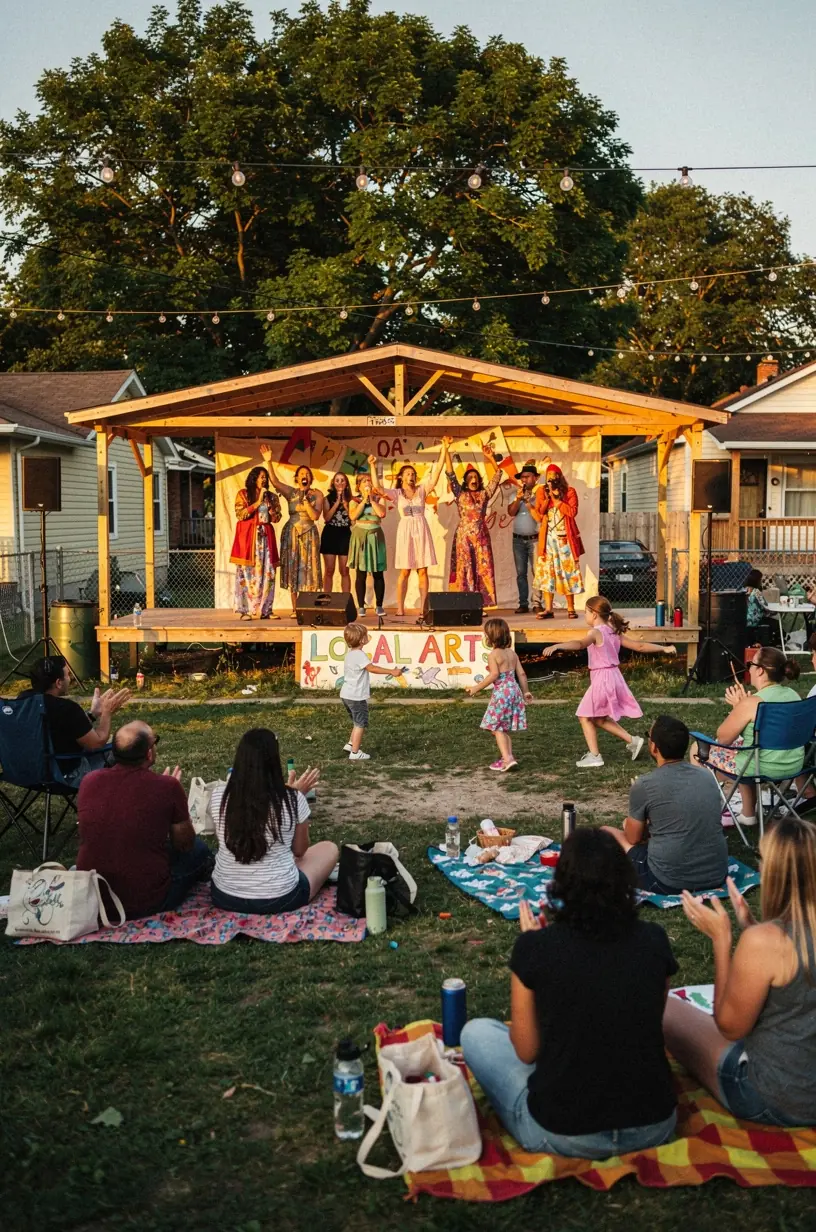
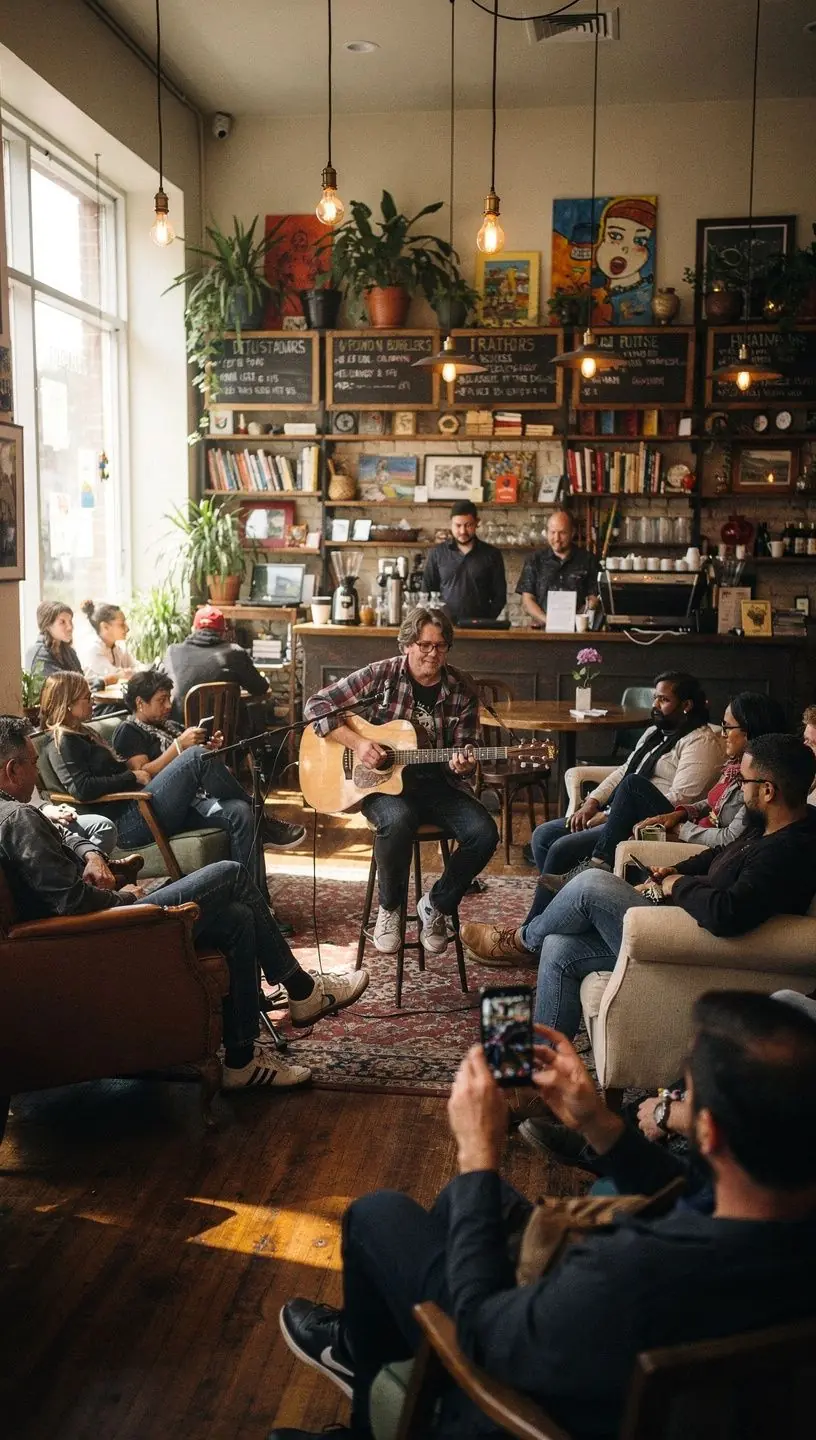
According to a study published by the National Endowment for the Arts, community-based performances often enhance social cohesion and engage citizens in meaningful ways. These performances, which can include local theater productions, music concerts, and dance shows, typically attract diverse audience members and encourage networking among attendees.
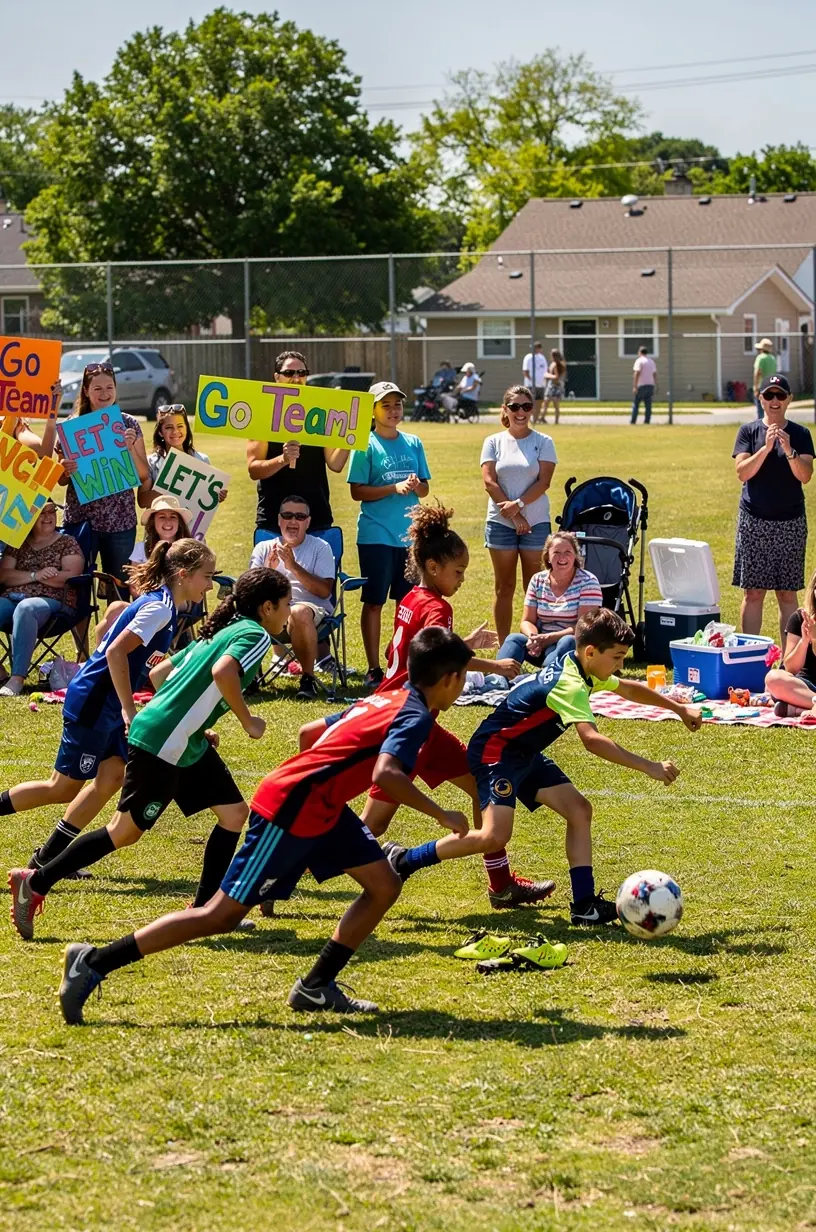
"Local performances not only entertain but also play a pivotal role in cultural expression and community bonding." - Arts Influence Report 2022
Benefits of Small Performances for Communities
Small performances offer several benefits that contribute to the vitality of local culture:
- Showcasing Local Talent: These events provide a platform for local artists and performers, allowing them to share their work and gain recognition. Research indicates that supporting local artists can lead to a more vibrant cultural scene.
- Fostering Community Engagement: Participating in or attending performances helps individuals connect with others in their community. Many experts recommend that local governments and cultural organizations support these initiatives to strengthen social ties.
- Enhancing Cultural Identity: Small performances often reflect the unique characteristics and narratives of a community, contributing to a shared cultural identity. This connection to local heritage is crucial in promoting unity among diverse populations.
Challenges and Considerations
While the benefits of small performances are significant, there are challenges that organizers and communities must navigate:
- Funding and Resources: Many small performance events require funding, which can be a barrier for grassroots organizers. According to industry experts, securing sponsorship and community support is essential for sustainability.
- Time Commitment: Organizing a performance typically takes several weeks of planning and coordination. Community members interested in getting involved should be prepared to commit time and effort to ensure the event's success.
- Pursuit of Inclusivity: It's important that events reflect the diversity of the community. Organizers should consider the accessibility and representation of different groups to ensure that performances resonate with a broad audience.
Conclusion
Small performances are vital to the cultural landscape of local communities in the US. By providing a space for artistic expression, fostering community interactions, and enhancing cultural identity, these events have a proven impact on social cohesion and community vitality. While challenges exist, the commitment of local organizers and community members can lead to enriching experiences that benefit everyone involved. Engaging with and supporting small performances can help individuals contribute to a vibrant local culture, setting realistic expectations for participation and impact.