How to Promote Your Local Events Effectively
Promoting local events can be challenging, but with the right strategies, you can significantly increase attendance and engagement. This article provides practical insights and evidence-based recommendations to help you effectively market your events.
Understanding the Importance of Local Promotion
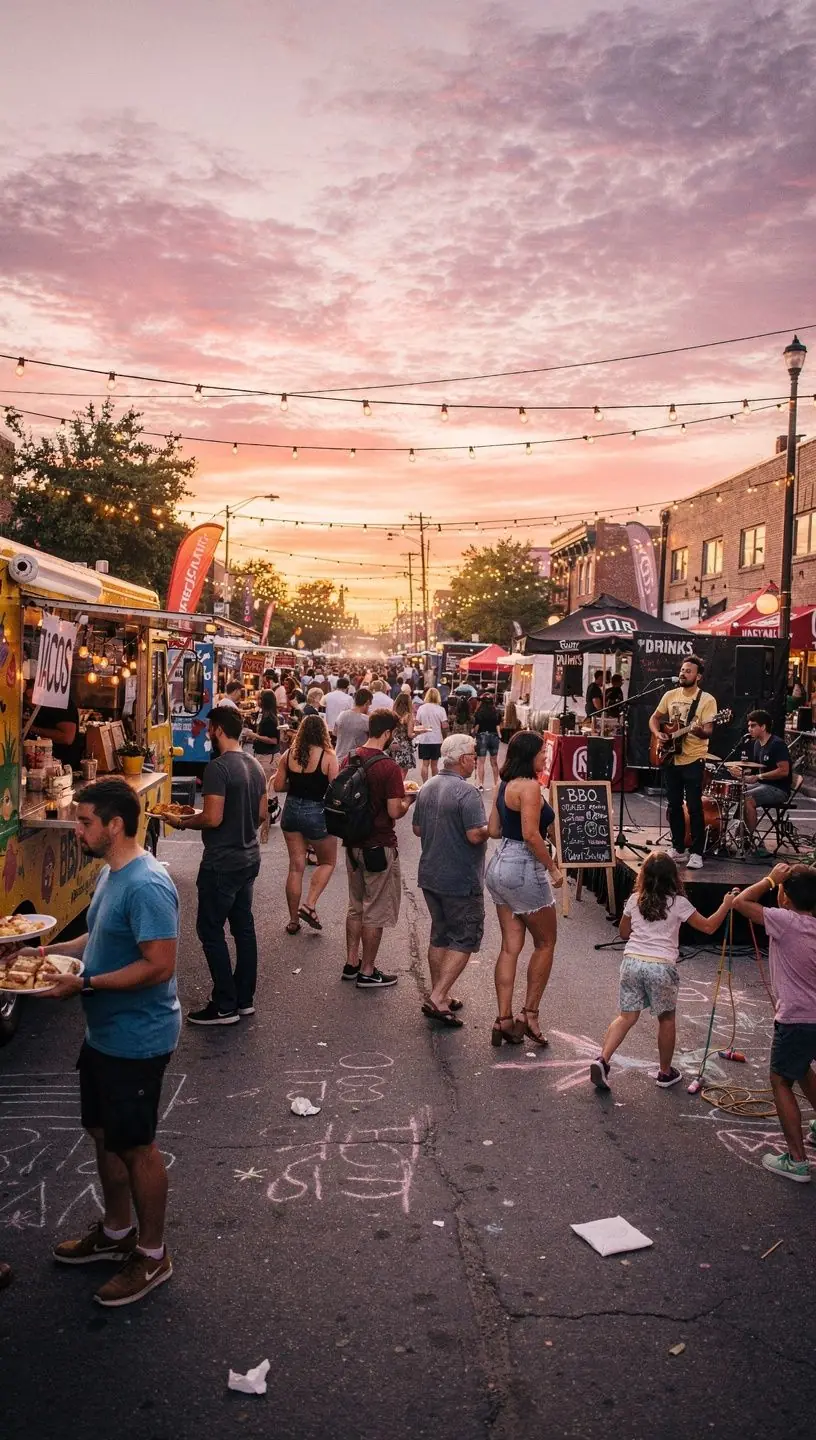
Effective local promotion is crucial for the success of any event. According to research, well-promoted events can attract 30-50% more attendees compared to those with minimal marketing efforts. This increase is typically due to heightened visibility and community engagement.
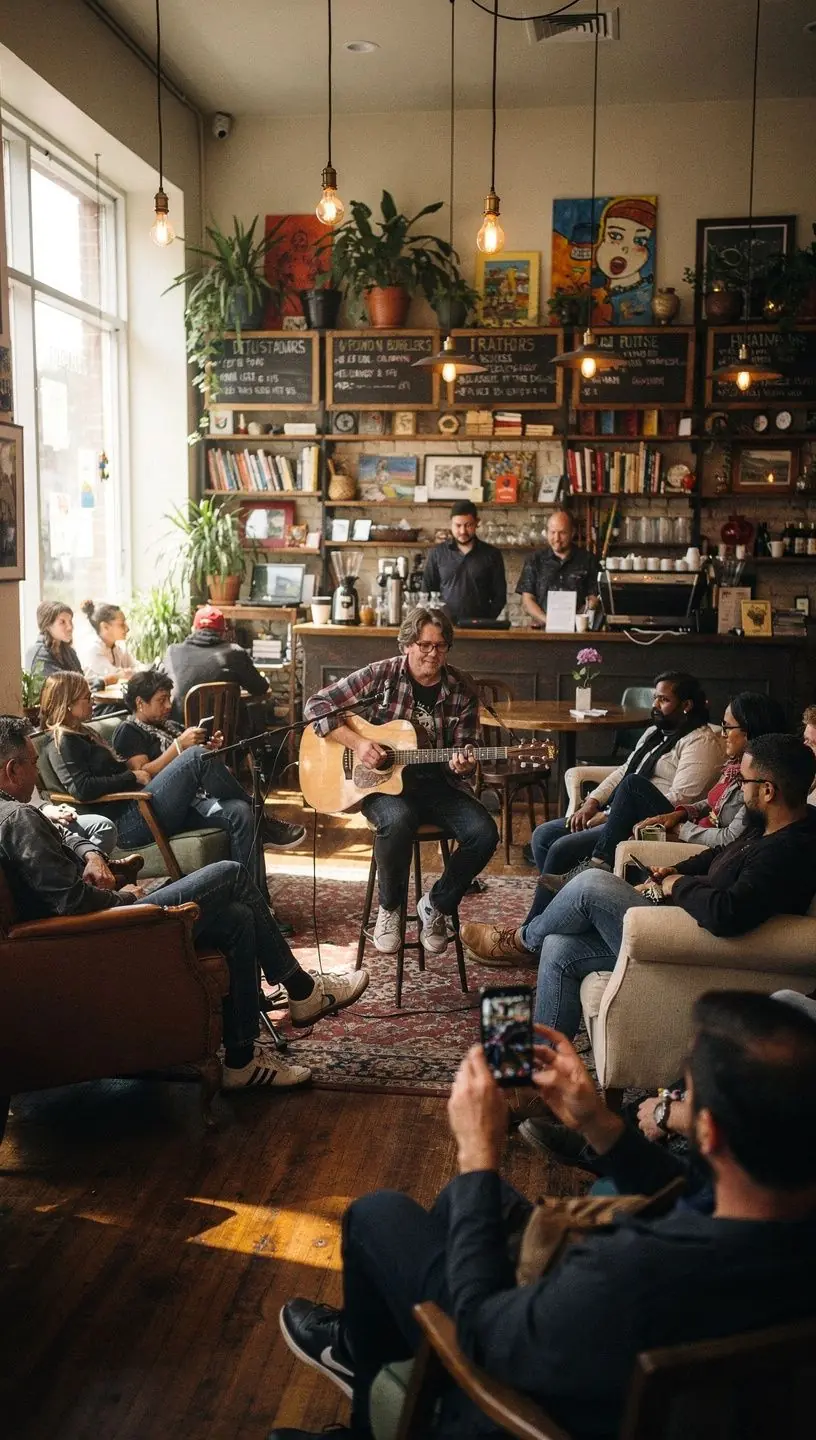
"Events that leverage local networks and social media tend to experience greater success in terms of attendance and participation." - Local Event Marketing Expert
Utilizing Social Media Platforms
Social media has become a primary tool for event promotion. Many users report that platforms like Facebook, Instagram, and Twitter are essential for reaching local audiences. Here are some strategies:
- Create Event Pages: Utilize Facebook Events to create dedicated pages for your events. This allows attendees to RSVP, share the event, and receive updates.
- Engage with Followers: Regularly post updates, behind-the-scenes content, and engage with your audience through comments and messages. This interaction builds community interest.
- Leverage Local Influencers: Partnering with local influencers can extend your reach. According to studies, events promoted by influencers often see a noticeable increase in attendance.
Traditional Marketing Strategies Still Matter
While digital marketing is crucial, traditional methods can also play a significant role. Experts recommend a balanced approach that includes:
- Local Flyers and Posters: Distributing flyers in local businesses and community centers can capture the attention of those who may not be active online.
- Community Bulletin Boards: Many towns have local bulletin boards where events can be posted. This is an effective way to reach a primarily local audience.
- Press Releases: Sending press releases to local newspapers and radio stations can help generate buzz and reach a wider audience.
Building Community Partnerships
Collaborating with local businesses and organizations can amplify your promotional efforts. This works because partnerships often allow you to tap into established audiences. Consider:
- Cross-Promotion: Partner with local businesses to offer discounts or special deals to event attendees.
- Co-Sponsorships: Team up with local organizations to co-host events, sharing both the promotional load and the audience.
- Community Engagement: Engage local community leaders and organizations to help promote your event through their networks.
Setting Realistic Expectations
It’s important to set clear expectations regarding your promotional efforts. Many event organizers find that significant results often take 2-4 weeks of consistent promotion. Additionally, remember that not every effort will yield equal results; some strategies may resonate more with your target audience than others.
Conclusion
Promoting local events effectively requires a multifaceted approach that combines digital and traditional marketing strategies. By leveraging social media, engaging local influencers, utilizing traditional advertising, and building community partnerships, you can enhance the visibility of your events and increase attendance. Remember, the goal is not just to sell tickets but to create experiences that engage and inspire your community.
Learn More