Understanding the Dynamics of Organized Social Events
As social beings, humans naturally seek connections, and organized social events provide a structured way to foster these interactions. Understanding the dynamics behind these events can enhance the experience for both organizers and participants, leading to more successful outcomes.
Understanding the Basics
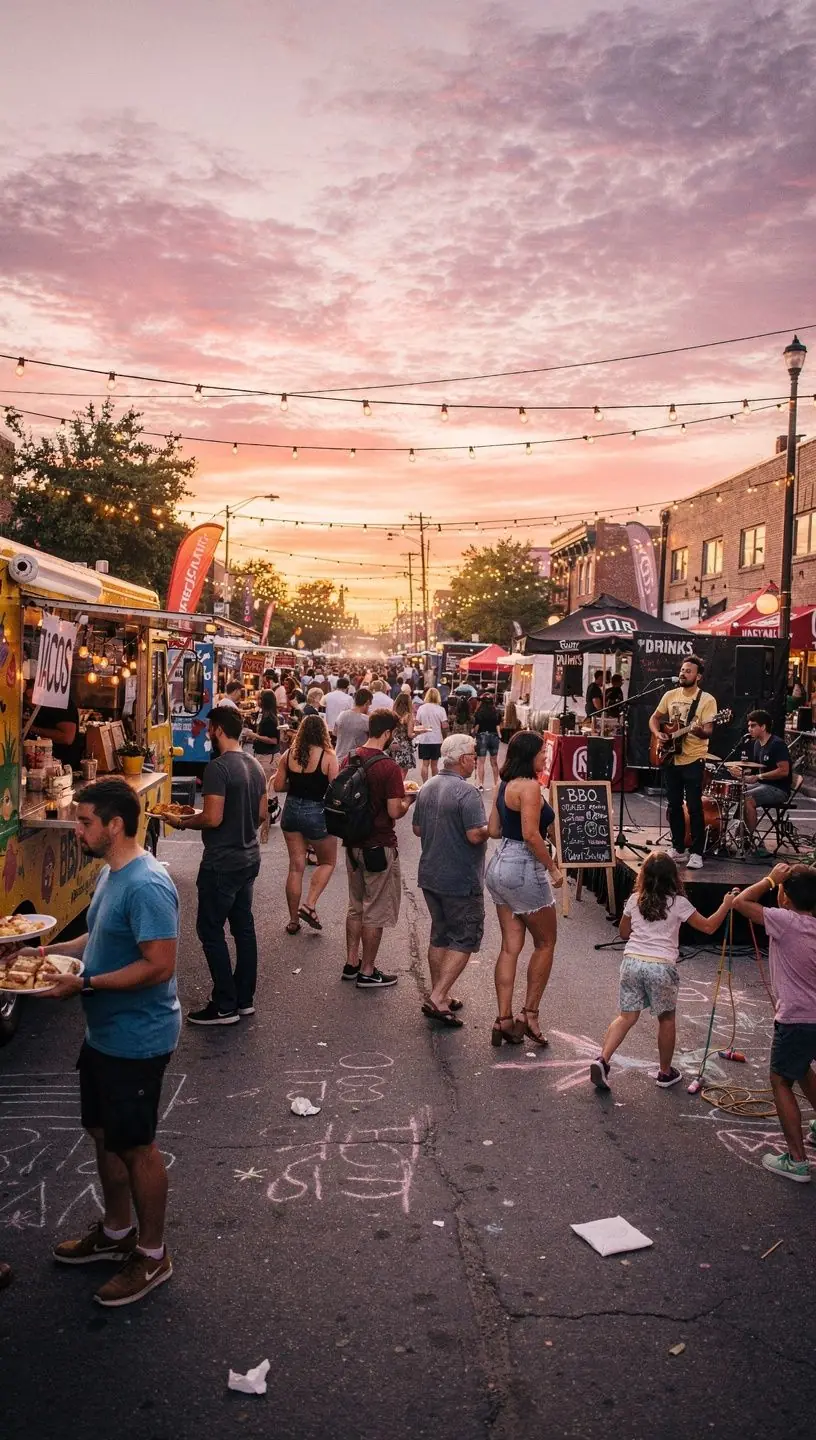
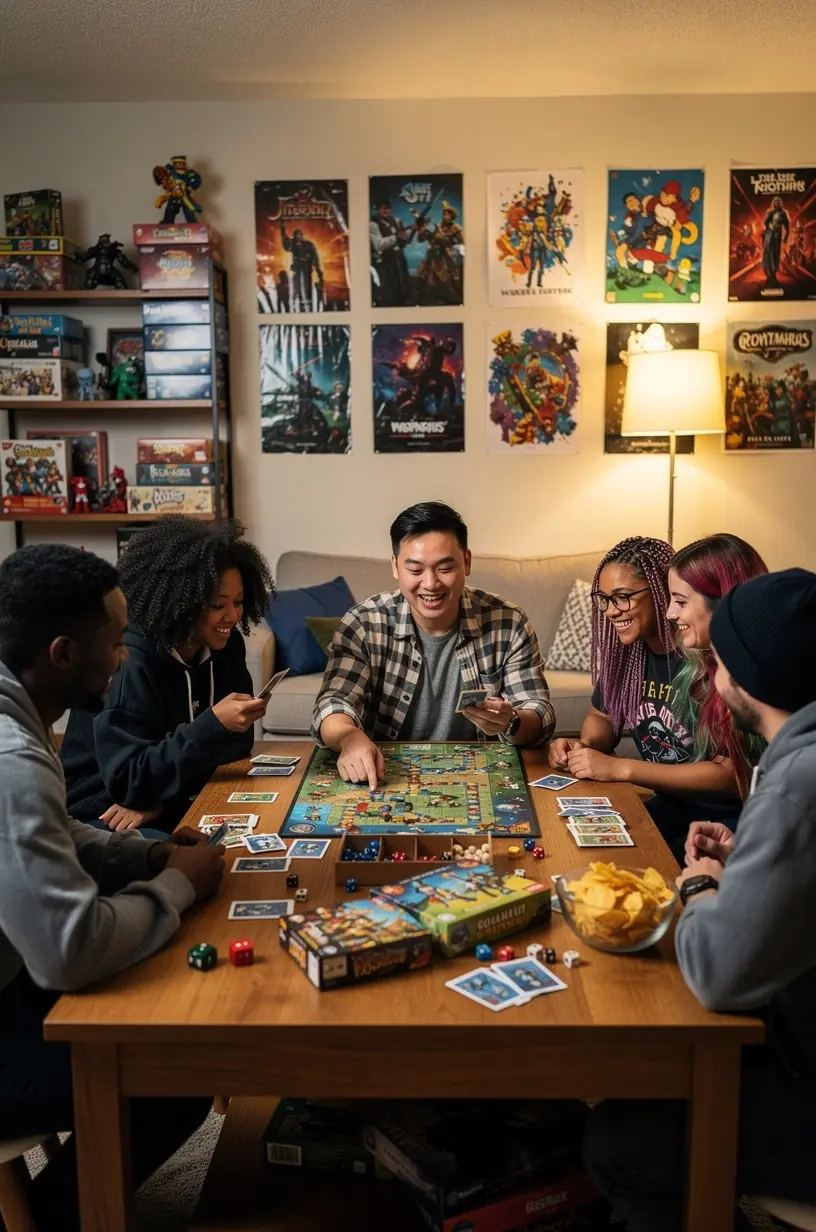
Organized social events, such as meetups, games, or small-scale performances, often serve the dual purpose of bringing people together and facilitating shared experiences. According to research by the American Sociological Association, engaging in social activities can significantly improve mental well-being and create lasting friendships. This happens because these events typically encourage interaction, which fosters a sense of belonging.
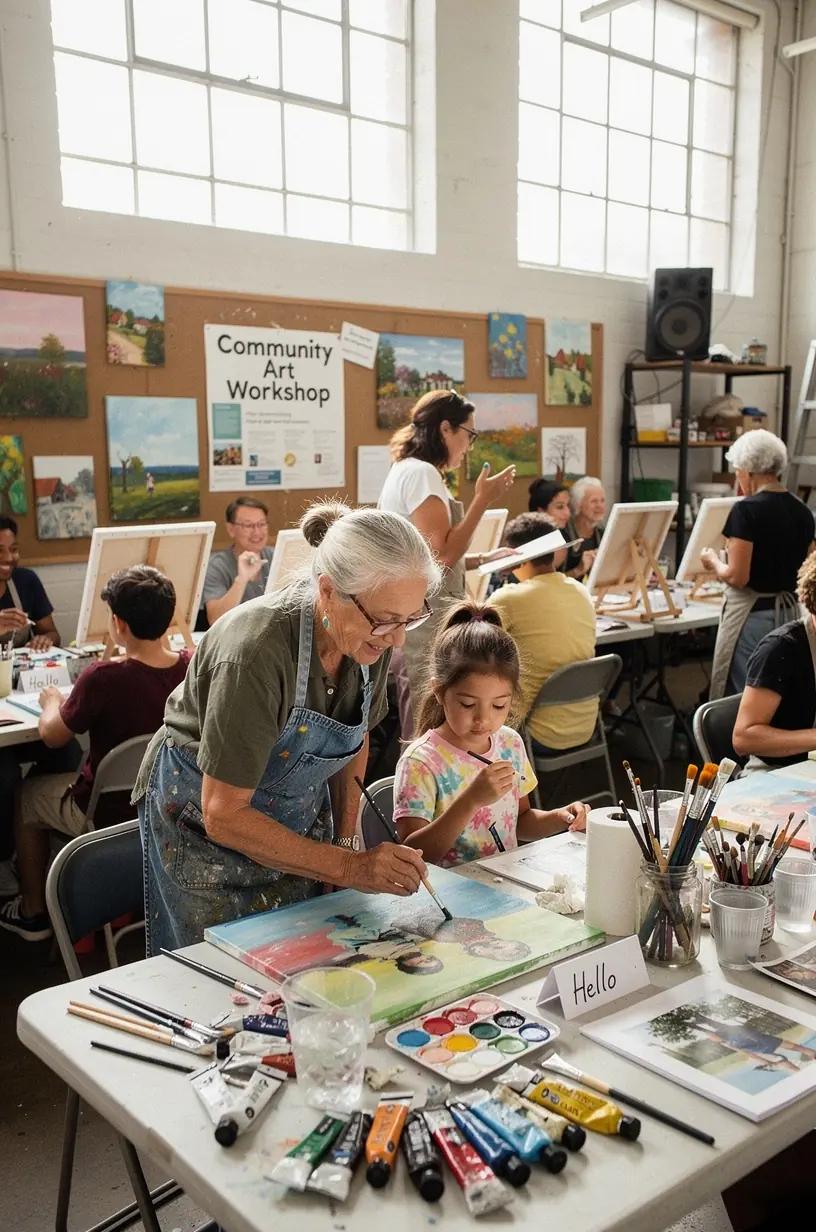
"Participation in social gatherings not only enhances community ties but also supports individual emotional health."
The Role of Planning and Promotion
The success of any organized event often hinges on thorough planning and effective promotion. Here are some key aspects to consider:
- Target Audience: Understanding who your audience is can guide your choice of activities and marketing strategies. Industry experts suggest conducting surveys to gauge interests.
- Logistics: This includes choosing a suitable venue, managing supplies, and ensuring accessibility. Research indicates that events that pay attention to logistics can see higher attendance levels.
- Marketing Efforts: Promoting the event effectively through social media and local networks is crucial. Studies show that targeted advertising can increase event awareness by up to 40%.
Creating a Welcoming Atmosphere
Another essential aspect of organized social events is the atmosphere. A welcoming environment encourages participation and interaction. Here are several ways to foster this:
- Personal Touch: Introducing participants to each other can break the ice and make attendees feel valued.
- Inclusive Activities: Choose activities that cater to diverse groups and skill levels. This works best when participants feel they can contribute meaningfully.
- Follow-Up: After the event, follow up with participants to gather feedback. This not only shows that you care but also provides invaluable insights for future events.
Potential Challenges
While organizing social events has many benefits, it's important to acknowledge common challenges that may arise:
- Time Commitment: Organizing an event typically requires several weeks of planning, which may not be feasible for everyone.
- Engagement Levels: In most cases, not everyone will engage equally. Tailoring activities to encourage participation can help mitigate this issue.
- Resource Management: Often, organizing groups have limited budgets. It is essential to find cost-effective solutions while maintaining quality.
Conclusion
Understanding the dynamics of organized social events can greatly enhance their effectiveness. By prioritizing planning, creating a welcoming atmosphere, and acknowledging potential challenges, organizers can create meaningful experiences that resonate with participants. As you explore the world of meetups, games, and performances, remember that the goal is to foster connection—one event at a time.